@4x-1-scaled-120x22.png)
Becoming a GNSS equipment dealer is not only a matter of putting receivers into a catalog. A new dealer needs a product path that can be demonstrated, explained and supported for the local buyers they intend to serve. The first order is therefore most useful when it helps answer customer questions, supports a credible field demo and gives the sales team clear next steps for quotation.
This guide helps prospective RTK survey equipment dealers plan a practical starter package before opening a dealer-cooperation discussion with Spherefix.
Start with the local customer, not the full catalog
The right first package depends on who the dealer plans to serve. Common customer groups include land-survey firms, construction teams, GIS and mapping users, engineering contractors, agricultural-machinery dealers and local resellers. Each group may ask different questions about field workflow, accessories, correction data, training and delivery support.
Before choosing models, write down:
- Target country or sales territory
- Existing customer base and the applications they buy for
- Whether the first order is for demonstration, resale stock or a project opportunity
- Typical customer budget range and expected order size
- Local correction-data and field-support context
- Sales team’s experience with survey instruments and RTK workflows
This short profile helps move the discussion from “send a price list” to a product mix that the dealer can actually sell and support.
A dealer starter kit has four jobs
A first GNSS package should enable more than one sales conversation. When planning it, think about these four jobs:
- Demonstrate a field workflow. The dealer should be able to explain how positioning, correction data and data collection work together in a realistic example.
- Support product comparison. Prospective buyers need a clear route from a category page to the relevant product and accessory discussion.
- Create a repeatable quotation process. The team should know which questions to ask about application, region, quantity and configuration before requesting a final quote.
- Provide credible local support. The dealer should identify who will handle basic product introduction, demonstration scheduling and the escalation path for technical questions.
The package does not have to include every Spherefix product line at the beginning. A focused first combination is often more useful than a large, unstructured order.
Plan the product path around survey workflows
For an RTK-focused launch, begin with the GNSS receiver category and consider the surrounding workflow rather than only the receiver itself. Depending on the intended market, the discussion may include:
- A receiver path for the local survey and construction customer base
- A base-and-rover or other correction workflow to demonstrate
- GNSS data-controller products for data-collection and field-operation conversations
- GNSS datalink products where the target workflow may need related communication hardware
- Demo accessories, carrying cases, poles and product information suitable for the first audience
For example, dealers can use the GNSS-приемник SP20 page as one model-level starting point and then compare it against the broader category. The final mix should be agreed with Spherefix after the dealer shares its market and application needs.
Do not treat a customer-return photo as a universal package list
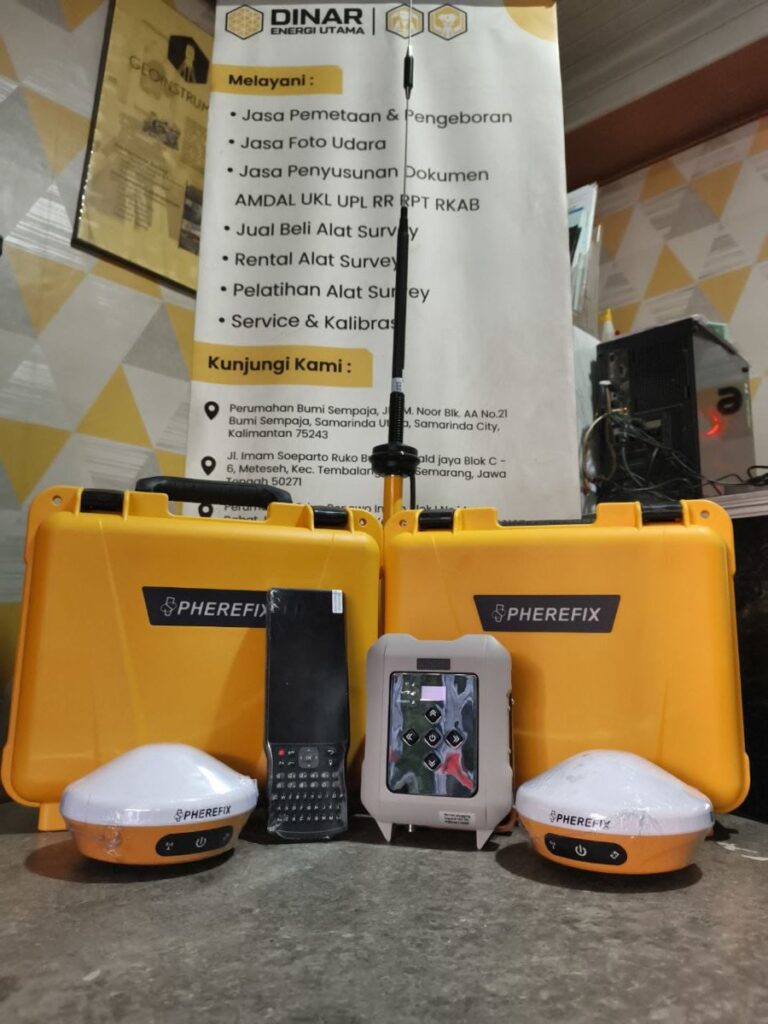
The featured image is a real customer-return image showing Spherefix survey equipment prepared in a local presentation context. It is valuable social proof, but it is not a fixed bill of materials or a promise that every new dealer needs the same equipment. The product mix, accessories and support plan should be based on the dealer’s region, customer type and demonstration goals.
That distinction is important for B2B buyers. It keeps proof imagery honest while ensuring that the purchase discussion remains tailored to the local market.
What to send in a first dealer inquiry
The fastest way to receive relevant dealer guidance is to prepare a concise first brief. Include:
- Company profile and website, if available
- Country or territory and customer segments
- Existing surveying, construction or agriculture product lines
- Interest in GNSS receivers, controllers, datalinks or application solutions
- Expected first-order or sample quantity
- Target launch timeline
- Requested brochures, datasheets, training or marketing materials
- Technical and commercial contact details
Spherefix can use this information to decide whether the next conversation should focus on a starter survey package, a wider dealer portfolio or a specific project opportunity.
Build toward a wider portfolio only when demand is proven
As local demand develops, a GNSS equipment dealer may add precision agriculture, machine control, USV hydrographic survey or monitoring products. Those areas should be introduced around a real customer base and a support plan, rather than being added to the first catalog simply because they exist.
The all-products page is useful for reviewing the wider portfolio. The distributor cooperation page is the right next stop when the company is ready to explain its market, sales plan and product interests.
Request a dealer starter-package discussion
If your company is evaluating a GNSS equipment dealer opportunity, share your region, customer segments, expected quantity and product interests through Spherefix distributor cooperation or the contact form. Spherefix can then help you structure the next product and quotation conversation around your market.
ЧАСТО ЗАДАВАЕМЫЕ ВОПРОСЫ
What should a new GNSS equipment dealer order first?
Start with the customer groups and field workflows the dealer can support. A focused RTK demo and sales package is generally more useful than ordering an unstructured range of products.
Should a dealer buy only GNSS receivers?
Not necessarily. The product discussion may also include controllers, correction-data hardware and accessories where they support the local customer workflow. Confirm the actual configuration before ordering.
What makes a good RTK dealer demonstration?
A good demonstration matches a real buyer task and clearly explains the positioning, correction and field-operation workflow. It should be planned around the dealer’s staff, local conditions and target customer type.
How can a company start a Spherefix dealer discussion?
Send the company profile, region, customer segments, product interests, quantity expectations and requested support materials through the distributor cooperation or contact path.
 English
 French
 German
 Spanish
 Arabic
 Russian
 Portuguese